The 5 Stages of Spinal Breakdown is the clinical framework developed by Australian physiotherapist Sarah Key over four decades of hands-on practice. It describes how a single lumbar segment typically deteriorates over time, and — crucially — gives clinicians a stage-specific pathway for assessment and treatment of low back pain.
Most spinal pain is mechanical. Understanding which stage a patient is presenting in dictates whether you mobilise, decompress, stabilise or offload — and gives you clear, patient-friendly language to explain what is happening to their back.
Stage 01
Segmental Stiffness
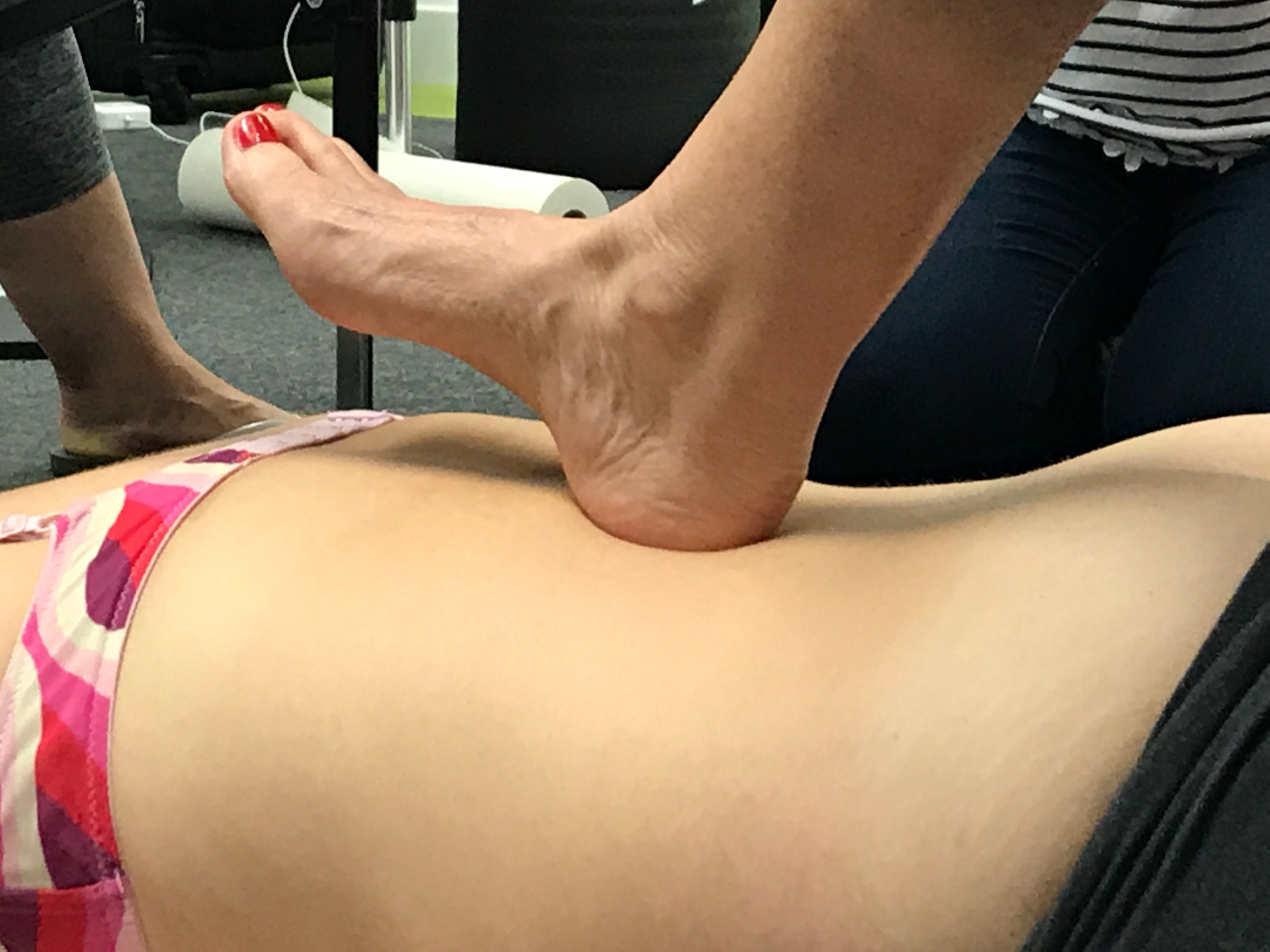
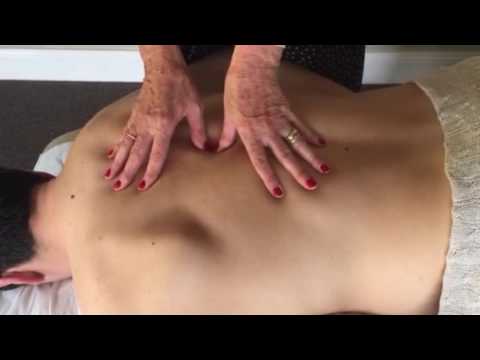
A spinal segment loses mobility and can no longer circulate nutritional fluids through the intervertebral disc. The segment becomes stiff, sore and tender to touch. Sarah Key believes this simple mechanical stiffness accounts for over 90% of low back pain and may be the underlying neo-pathology of so-called "non-specific" low back pain. Fortunately, it is highly amenable to spinal mobilisation, particularly using the Sarah Key heel techniques.
Clinical signs
- •Diffuse, poorly localised low back ache
- •Stiffness worse after rest, better with gentle movement
- •Local tenderness on central PA pressure
- •No neurological signs
Treatment approach
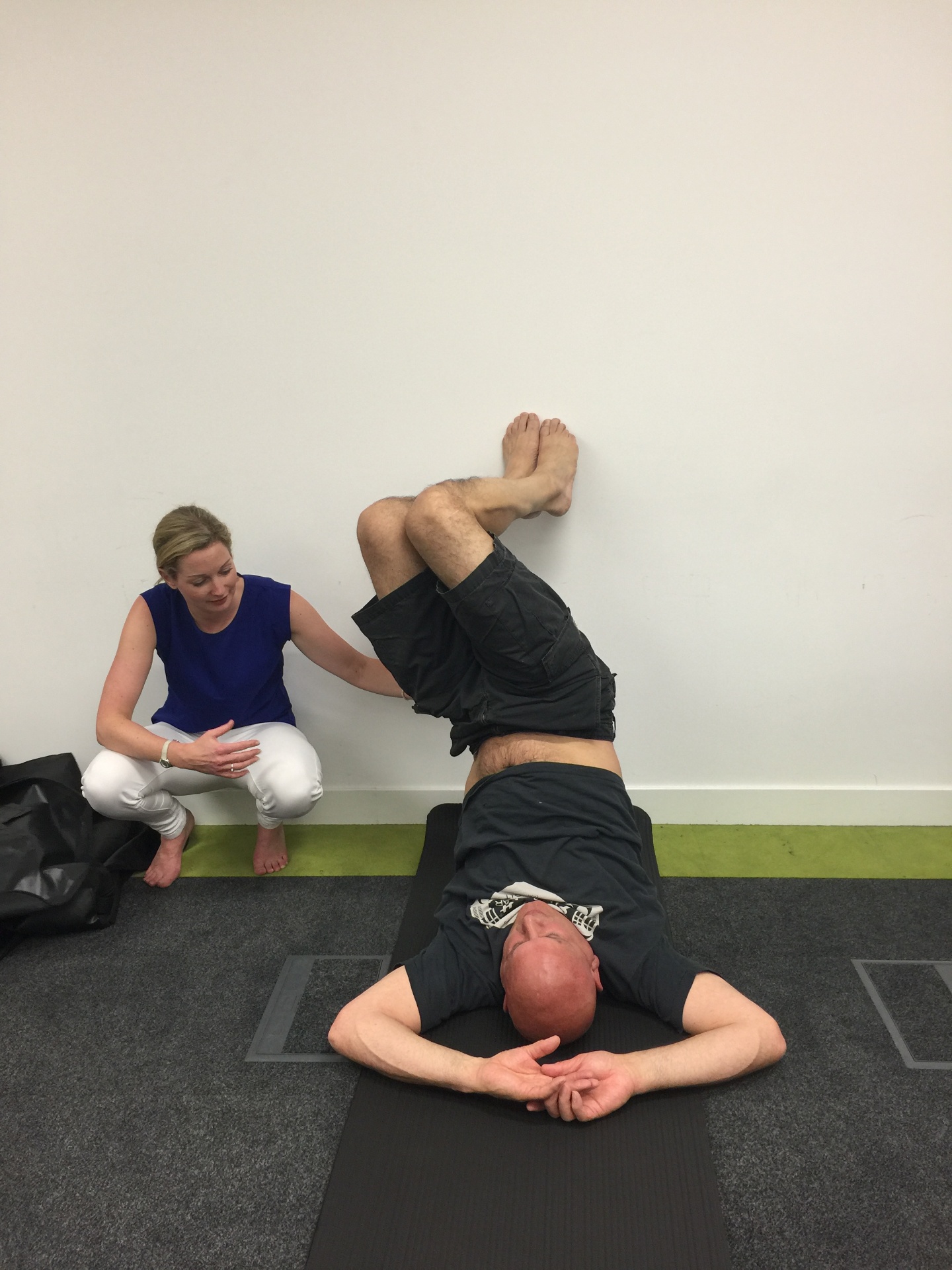
Graded segmental mobilisation, heel-on-spine techniques, patient self-treatment with the BackBlock and hydration exercises.
Stage 02
Facet Joint Arthropathy
As the disc dehydrates and loses height, greater load is transferred to the facet joints at the back of the spine. Unlike discs, facet joints have a rich nerve supply and can produce a distinctive one-sided back pain that may spread into the buttock. This is the second most common cause of low back pain. Once again, it is highly amenable to quick, light and effective direct mobilising pressures with the heel.
Clinical signs
- •Unilateral low back or buttock pain
- •Pain on extension and ipsilateral side-bending
- •Localised pain on unilateral PA pressure
- •Often worse standing, better sitting flexed
Treatment approach
Unilateral facet mobilisation, decompression through the BackBlock, and re-education of segmental control.
Stage 03
Acute Facet Locking
As disc pressure falls, the facet joints become more vulnerable to sudden locking. This can cause a 'crisis episode' of severe pain and set-in-stone rigidity, often triggered by a simple movement. It is commonly accompanied by reflex inhibition of the deep spinal muscles responsible for segmental control. Relaxation techniques for the overactive paraspinal muscles and re-education of the deep spinal muscles are an important part of treatment in this syndrome.
Clinical signs
- •Sudden-onset severe low back pain
- •Antalgic posture, guarded lumbar spine
- •Marked paraspinal muscle spasm
- •Painful, blocked lumbar range in most directions
Treatment approach
Relaxation and down-training of overactive paraspinals, gentle passive rocking, re-education of the deep spinal stabilisers, and progressive segmental mobilisation as the spasm settles.
Stage 04
Disc Prolapse
With progressive disc degeneration, the nucleus at the centre of the disc loses cohesion and may be 'rendered expressible'. Increased stress on the outer disc wall can lead to cracks through which nuclear material may protrude or extrude. Although widely feared, disc prolapse is a relatively uncommon cause of back pain.
Clinical signs
- •Radicular leg pain in a dermatomal pattern
- •Positive slump or straight-leg raise
- •Possible sensory, motor or reflex changes
- •Pain often worse with sitting and forward bending
Treatment approach
Careful position of ease, nerve-root offloading through BackBlock decompression, graded neural mobilisation and progressive return to load.
Stage 05
Segmental Instability
The least common of all spinal conditions, segmental instability is the opposite of segmental stiffness. Through the combined breakdown of the disc and facet joints, the spinal segment loses its integrity and becomes excessively mobile, slipping abnormally during movement and causing recurrent pain and dysfunction.
Clinical signs
- •Recurrent 'giving way' or catching sensations
- •Painful arc through mid-range
- •Poor endurance of deep segmental muscles
- •Often better in a brace or with abdominal bracing
Treatment approach
Segmental stabilisation training, progressive load exposure, control of aggravating end-range movements and long-term self-management.
Train in the method
Learn to assess and treat each stage.
The Spinal Masterclass Levels 1–4 courses take clinicians through the full assessment and treatment pathway for each of the 5 stages of spinal breakdown — combining Sarah Key's online theory with intensive hands-on and feet-on practical workshops led by Cara and Kay.